
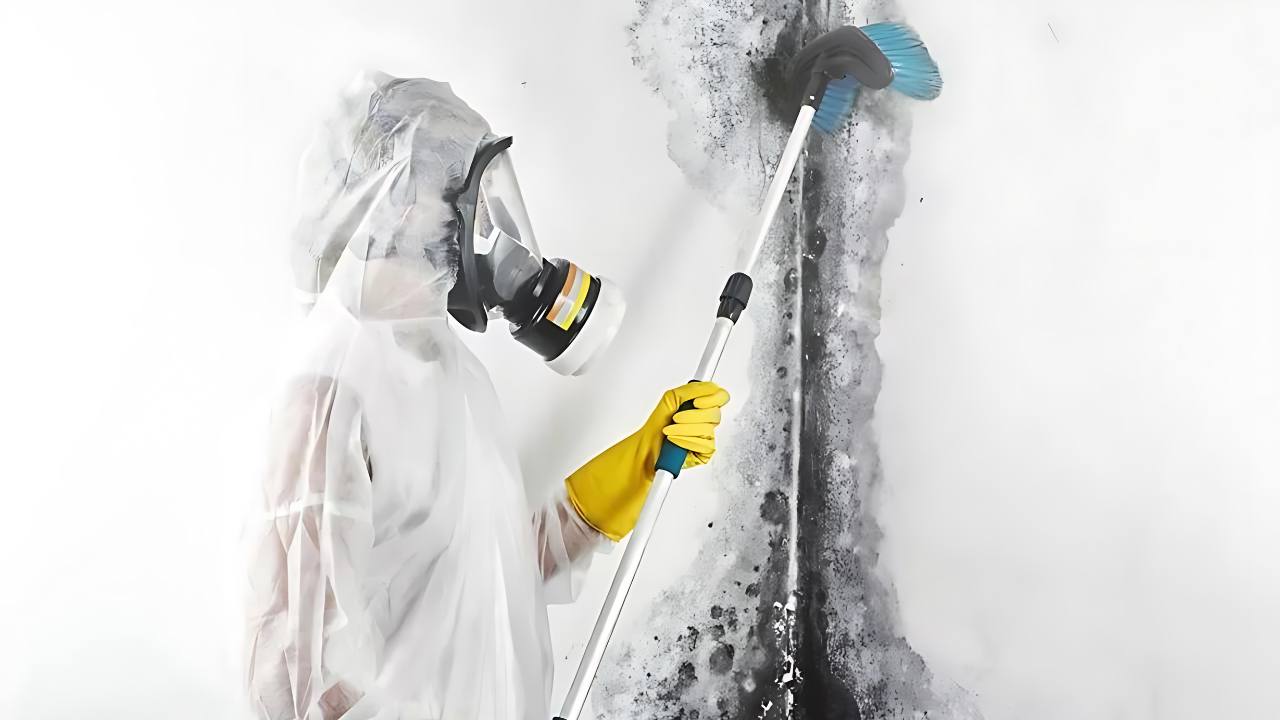
Mould on bathroom ceilings is a common problem, and it happens due to the damp and humid conditions. Over time, mould can lead to unpleasant odours, health problems, and even damage to your home if left untreated.
So, removing mould from your bathroom ceiling isn’t too difficult, and with the right tools and techniques, you can handle it yourself.
In this blog, we’ll not only guide you through the simple steps to safely remove mould but also offer helpful tips to prevent it from coming back. So, let’s move forward and begin!
Why Mould Grows on Bathroom Ceilings?
Understanding why mould appears on your bathroom ceiling is the first step in solving the problem. By identifying the root causes, you can effectively remove mould and stop it from coming back in the future.
High Humidity Levels
Bathrooms naturally have high humidity due to frequent showers and baths. As a result, moisture builds up, especially in poorly ventilated spaces, creating the perfect environment for mould to thrive. When the warm air meets the cold ceiling surface, condensation forms, leading to mould growth.
Poor Ventilation
Without proper airflow, moisture can’t escape, leading to stagnant, humid conditions. Over time, this trapped moisture causes mould to grow on the ceiling and walls. This is why having a working extractor fan or keeping the windows open is important to reduce humidity.
Infrequent Cleaning
Another reason mould can grow is infrequent cleaning. Mould spores can quickly develop in damp areas that are not cleaned regularly. Regularly wiping down surfaces and addressing any early signs of mould can help keep it under control.
Leaks or Water Damage
Finally, leaks in the roof or walls can also contribute to mould growth. Water from leaks can seep into the ceiling, creating a consistently damp area where mould can spread. Addressing leaks quickly and drying out the area will help prevent mould from taking hold.
Tools and Materials You’ll Need
Before you start removing mould, it’s important to gather all the necessary tools and materials. This ensures the process is both safe and effective, allowing you to tackle the job without delays.
Protective Gear
First, you’ll need to protect yourself. Mould can release harmful spores, so wearing gloves, a mask, and goggles is essential to prevent exposure.
These items help keep you safe as you scrub away the mould, especially in a confined space like the bathroom.
Cleaning Solutions
Next, you’ll need an effective cleaning solution. Many people use natural cleaners like vinegar or baking soda, but you can also opt for a commercial mould remover.
Make sure the solution you choose is suitable for use on ceilings and is safe for your home environment.
Scrubbing Tools
Lastly, having the right scrubbing tools is crucial for successful mould removal. A stiff-bristled brush will help you remove the mould without damaging your ceiling.
You’ll also need sponges or cloths to wipe away any remaining residue and ensure the area is left clean and dry.
How to Remove Mould on Bathroom Ceiling?
Properly cleaning mould from bathroom surfaces, such as ceilings, walls, or even shower curtains, requires careful preparation and the right approach.
Follow these steps to safely and effectively remove mould while preventing future issues.
1. Gather Protective Gear
Before you begin, make sure you have the necessary protective gear. Wear rubber gloves, goggles, and a mask or respirator to avoid inhaling mould spores.
Also, gather cleaning cloths, a scrub brush, and a plastic sheet or drop cloth to cover nearby surfaces and keep the mould contained.
2. Prepare the Cleaning Solution
Mix a cleaning solution using one part bleach and three parts water in a spray bottle or bucket. Alternatively, you can opt for a natural solution like borax or undiluted white vinegar, which are also effective in killing mould.
3. Apply the Solution
Generously spray the cleaning solution onto the mouldy area, ensuring the entire affected section is saturated. Let it sit for 10-15 minutes, giving it time to kill the mould spores and penetrate the surface.
4. Scrub and Wipe Down
Using a scrub brush, scrub the mouldy areas thoroughly to remove as much mould as possible. Wipe off any residue using clean cloths or paper towels to ensure the surface is mould-free.
5. Rinse and Dry
Rinse the area with clean water to remove any leftover cleaning solution or mould particles. Afterward, use a fan or dehumidifier to dry the area completely, as moisture left behind can lead to mould returning.
6. Treat and Prevent Future Mould
Once the area is fully dry, consider applying a borate-based solution or a mould-resistant primer to protect against future growth. Be sure to address any moisture issues, like leaks or poor ventilation, to prevent mould from coming back.
For larger mould infestations, covering an area bigger than 10 square feet, it’s best to seek professional help. Mould that covers a large surface can pose significant health risks and may require specialised equipment for proper removal.
Tips to Prevent Mould on Your Bathroom Ceiling
Keeping mould off your bathroom ceiling is key to maintaining a healthy home environment and avoiding expensive repairs.
By controlling moisture and improving ventilation, you can significantly reduce the chances of mould growth.
1. Control Humidity Levels
To keep humidity in check, use your bathroom fan during and after showers to remove excess moisture. If possible, open windows or install a circulating fan to improve airflow.
Regularly cleaning and drying your shower, towels, and bath mats can also eliminate conditions that foster mould.
2. Invest in Dehumidifiers and Mould-Resistant Materials
If you live in a humid area or have a windowless bathroom, using a dehumidifier can help regulate moisture levels. Additionally, applying mould-resistant paint or installing ceiling cladding will create a barrier against mould on porous surfaces like drywall.
3. Address Underlying Problems
Mould may persist if there are hidden issues like water leaks or inadequate ventilation. If you notice mould continuing to grow despite your efforts, it might be time to seek professional assistance to identify and fix these problems.
In conclusion!
Mould on your bathroom ceiling can lead to health risks and damage if not addressed promptly. By understanding why mould grows and using the right tools and techniques, you can effectively remove it and prevent future growth.
However, preventing mould is just as important as removing it. If you’re dealing with persistent mould or unsure how to handle the issue, it’s best to seek professional help. VentSolve, a leading expert in mould removal and ventilation solutions, can assist in keeping your bathroom mold-free.
Contact VentSolve today for reliable and efficient mould prevention and removal services.
FAQs
1. What causes mould on bathroom ceilings?
Mould on bathroom ceilings is usually caused by high humidity levels and poor ventilation. The combination of steam from showers and lack of air circulation creates the perfect environment for mould to thrive.
2. Can vinegar kill mould on bathroom ceilings?
Yes, undiluted white vinegar is a natural and effective way to kill mould on bathroom ceilings. Simply spray vinegar on the affected area, let it sit for about an hour, then wipe it clean.
3. Is bleach or vinegar better for removing mould?
Both bleach and vinegar are effective for removing mould. Bleach kills surface mould but doesn’t penetrate deeper, while vinegar kills both surface mould and mould beneath porous surfaces.
4. How can I prevent mould from returning to my bathroom ceiling?
To prevent mould from returning, ensure proper ventilation by using an exhaust fan or opening windows. You can also reduce moisture by wiping surfaces dry and using a dehumidifier if needed.
5. Do I need to replace my bathroom ceiling if mould is present?
You may not need to replace the ceiling unless the mould has caused severe damage. If mould is only on the surface, it can usually be cleaned and treated to prevent further growth.
6. When should I call a professional for mould removal?
If mould covers an area larger than 10 square feet or keeps coming back despite cleaning, it’s best to call a professional. Extensive mould growth may require specialised treatment.